Source Cosmetic Grade Pro Xylane for Skin Care, Anti-Aging, and Moisturizing
Find 30 suppliers offering cosmetic grade pro xylane for skin care, anti-aging, and moisturizing applications. Compare purity levels, packaging options, and MOQs from verified manufacturers in China.
Key considerations
Products List


Comprehensive Sourcing Guide
Strategic Sourcing Guide for Cosmetic Grade Pro Xylane
Understanding the Chemical Identity and Physical Properties
Procuring cosmetic grade Pro Xylane requires a precise understanding of its chemical identity to ensure compatibility with existing formulations. The core substance is chemically identified as hydroxypropyl tetrahydropyrantriol, a synthetic molecule designed to mimic the structure of natural sugars found in the skin. In the current market, this ingredient is frequently listed under various names, including Pro-xylane and specific model numbers such as Ebos-Pro-xylane or ST-Pro-Xylane. Buyers must verify the CAS number, which serves as the definitive fingerprint for the chemical; the observed standard for this specific grade is 439685-79-7.
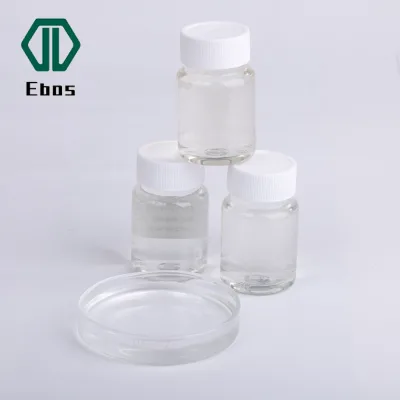
The physical state of the product is a critical observation point for logistics and formulation. Market listings indicate that Pro Xylane can appear as a light yellow viscous liquid or a colorless liquid, though some entries describe it as a white powder. This discrepancy highlights the necessity for buyers to confirm the specific physical form required for their production line before placing an order. The molecular formula associated with this compound is C8H16O5. When evaluating samples, the appearance should be consistent with the liquid or powder state specified in the purchase order, as the viscosity of the liquid form can impact mixing times and solubility in water-based versus oil-based systems.
Technical Specifications and Purity Standards
The technical specifications of Pro Xylane are the primary determinant of its efficacy in anti-aging and skin-rejuvenating applications. High-confidence data from the current supply pool indicates a purity level of 98%, with some suppliers listing standards exceeding 99%. This variance suggests that buyers must explicitly define their acceptable purity threshold in the Request for Quotation (RFQ). The standard specification for the product is often cited as 98%, but the actual content may vary based on the manufacturing batch and the specific supplier's quality control protocols.
The shelf life of the ingredient is another critical technical parameter. Observed data points to a quality guarantee period and shelf life of two years. This duration is relevant for inventory planning and ensures that the ingredient remains stable and effective throughout the product's lifecycle. Storage conditions are equally important; while the product is generally stable, the main ingredient is noted to require a cool, dry place to maintain its integrity. Buyers should verify that the supplier's storage facilities align with these requirements to prevent degradation before the product reaches the manufacturing facility.
| Attribute | Observed Value | Verification Requirement |
|---|---|---|
| Purity | 98% - >99% | Confirm via Certificate of Analysis (COA) |
| Appearance | Light yellow/Colorless liquid or White Powder | Visual inspection of sample |
| Shelf Life | 2 Years | Check expiration date on packaging |
| Molecular Formula | C8H16O5 | Verify against chemical database |
| CAS Number | 439685-79-7 | Mandatory cross-reference |
Compliance, Certification, and Regulatory Framework
Navigating the regulatory landscape is essential for sourcing cosmetic raw materials that can be sold globally. The supply chain for Pro Xylane often involves suppliers holding various certifications. Commonly observed certifications include ISO9001, which indicates adherence to quality management standards, and ISO, which may refer to broader quality or safety protocols. Some listings also mention FDA certification, though the scope of this certification (whether for the facility or the specific ingredient) must be clarified with the supplier. Additionally, the presence of an EINECS number, specifically 232-943-0, is a key indicator of the substance's registration status within the European Union, which is vital for exporting to European markets.
Documentation is a non-negotiable aspect of compliance. Buyers should expect to receive a Certificate of Analysis (COA) and a Material Safety Data Sheet (MSDS) with every shipment. These documents provide the necessary data on composition, safety handling, and purity verification. The COA is particularly important as it validates the purity claims, ensuring that the 98% or >99% standard is met for the specific batch purchased. Furthermore, suppliers may offer customized service options, which can include tailored documentation or specific packaging requirements to meet local regulatory needs. It is imperative to verify that the supplier's certifications are current and applicable to the specific region where the final cosmetic product will be marketed.
Cost Drivers and Minimum Order Quantities
The cost structure of Pro Xylane is influenced by several factors, including purity, packaging, and order volume. The observed price range in the market is broad, spanning from 0.1 to 2400 USD, which likely reflects differences in packaging sizes, purity levels, and the inclusion of shipping or customs duties. For small-scale testing or R&D, the Minimum Order Quantity (MOQ) can be as low as 1 kg, with some suppliers offering samples in the range of 5-10 grams. This flexibility allows brands to validate the ingredient's performance before committing to larger production runs.
For commercial manufacturing, the standard packaging options include 1 kg bags, 5 kg bags, and 25 kg drums. The choice of packaging significantly impacts the unit cost and logistics. Larger drums generally offer a lower cost per kilogram but require more storage space and handling equipment. The shipping method, whether by express, air, or sea, also plays a major role in the final landed cost. Express shipping typically offers a lead time of 5-7 days but at a premium, while sea freight is more cost-effective for large volumes but involves longer transit times. Payment methods vary, with options including Credit Card, T/T, Paypal, and Western Union, each carrying different implications for transaction security and processing fees.
Supplier Evaluation and Origin Verification
When evaluating potential suppliers, the geographic origin of the product is a key indicator of supply chain dynamics. The majority of Pro Xylane listings originate from China, with specific regions such as Shaanxi and Shanxi mentioned as places of origin. While these regions are known for chemical manufacturing, buyers should verify the specific location to ensure it aligns with their risk management strategies. The brand names associated with the product vary, with "EBOS" and "Sentian" appearing in the market data. However, relying solely on brand names is insufficient; the focus should be on the supplier's ability to provide consistent quality and documentation.
Supplier reliability is further assessed through their customization capabilities. Many suppliers offer customized services, allowing for tailored packaging or specific purity requirements. This flexibility is valuable for brands with unique formulation needs. However, buyers must ensure that the "Customized" label does not compromise the standard quality controls. The presence of a "Quality Guarantee Period" of two years suggests a commitment to product stability, but this should be backed by a clear warranty policy in the contract. Additionally, the availability of samples (5-10g) allows for a practical evaluation of the supplier's responsiveness and the product's actual quality before a full commitment.
Quality Control and Application Suitability
Effective quality control is paramount when integrating Pro Xylane into cosmetic formulations. The primary application of this ingredient is in skin care products, targeting functions such as whitening, lightening, and anti-aging. The product is suitable for adult use and is generally categorized under female skincare groups, though its chemical properties make it applicable to unisex formulations. The usage is explicitly defined as cosmetic raw materials, but some listings also mention applications in food additives and dietary supplements, which requires careful verification to ensure the grade is appropriate for the intended use.
To maintain quality, buyers should implement a rigorous incoming inspection process. This includes verifying the COA against the physical sample, checking the appearance for consistency (liquid vs. powder), and confirming the expiration date. The packaging must be intact, with options like vacuum packing or aluminum foil bags providing protection against moisture and oxidation. For liquid forms, the viscosity should be checked to ensure it matches the expected profile for the specific formulation. The "Main Ingredient" is noted as requiring a cool, dry place, so storage conditions at the buyer's facility must be monitored to prevent degradation. Regular testing for purity and microbial limits is recommended to ensure the ingredient remains within the specified 98% or >99% range throughout its shelf life.
Long-Term Procurement and Supply Chain Resilience
Building a sustainable procurement strategy for Pro Xylane involves looking beyond immediate transactional needs. The long-term viability of the supply chain depends on the supplier's ability to maintain consistent quality and adhere to evolving regulatory standards. As the market for cosmetic ingredients becomes more scrutinized, the demand for transparent documentation and certified manufacturing processes will increase. Buyers should prioritize suppliers who demonstrate a commitment to continuous improvement in their quality management systems, evidenced by certifications like ISO9001.
The customization options available in the market offer a strategic advantage for brands looking to differentiate their products. Whether through specific packaging sizes or tailored purity levels, customization allows for better alignment with production needs. However, buyers must balance this flexibility with the risk of supply chain disruption. Establishing a relationship with a supplier that can provide consistent lead times and reliable shipping methods is crucial. The observed express time of 5-7 days suggests a responsive logistics network, but for larger volumes, sea freight options should be evaluated for cost efficiency. Ultimately, a successful procurement strategy for Pro Xylane relies on a deep understanding of the product's technical specifications, a rigorous approach to compliance, and a partnership with suppliers who prioritize quality and transparency.
FAQs
What is the purity level of cosmetic grade pro xylane?
The purity level is typically 98%, with some suppliers offering standards exceeding 99%. Buyers must verify the specific batch purity via a Certificate of Analysis to ensure it meets their formulation requirements.
How is cosmetic grade pro xylane packaged for shipping?
The product is available in 1 kg bags, 5 kg bags, and 25 kg drums, often vacuum packed or in aluminum foil bags. Packaging choices impact unit cost and storage needs for different production scales.
Which certifications do suppliers of pro xylane typically hold?
Common certifications include ISO9001, ISO, and FDA, along with EINECS registration for European compliance. Buyers should request current COA and MSDS documents to validate these certifications for their specific market.
Can I order samples of cosmetic grade pro xylane?
Yes, samples of 5 to 10 grams are available for testing purposes before placing a larger order. This allows buyers to verify the physical appearance and purity before committing to minimum order quantities.
What is the shelf life of pro xylane liquid or powder?
The shelf life is two years, provided the product is stored in a cool, dry place. Buyers should check the expiration date on the packaging to ensure the ingredient remains stable for their production.
How can I find pro xylane with a low minimum order quantity?
Minimum order quantities start at 1 kg for most suppliers, with some offering smaller sample sizes. This flexibility supports small-scale testing and R&D phases before scaling up to commercial production volumes.
Where are the main sources of cosmetic grade pro xylane located?
Most suppliers originate from China, specifically regions like Shaanxi and Shanxi. Buyers should verify the specific location to align with their risk management strategies and logistics planning for international shipping.